

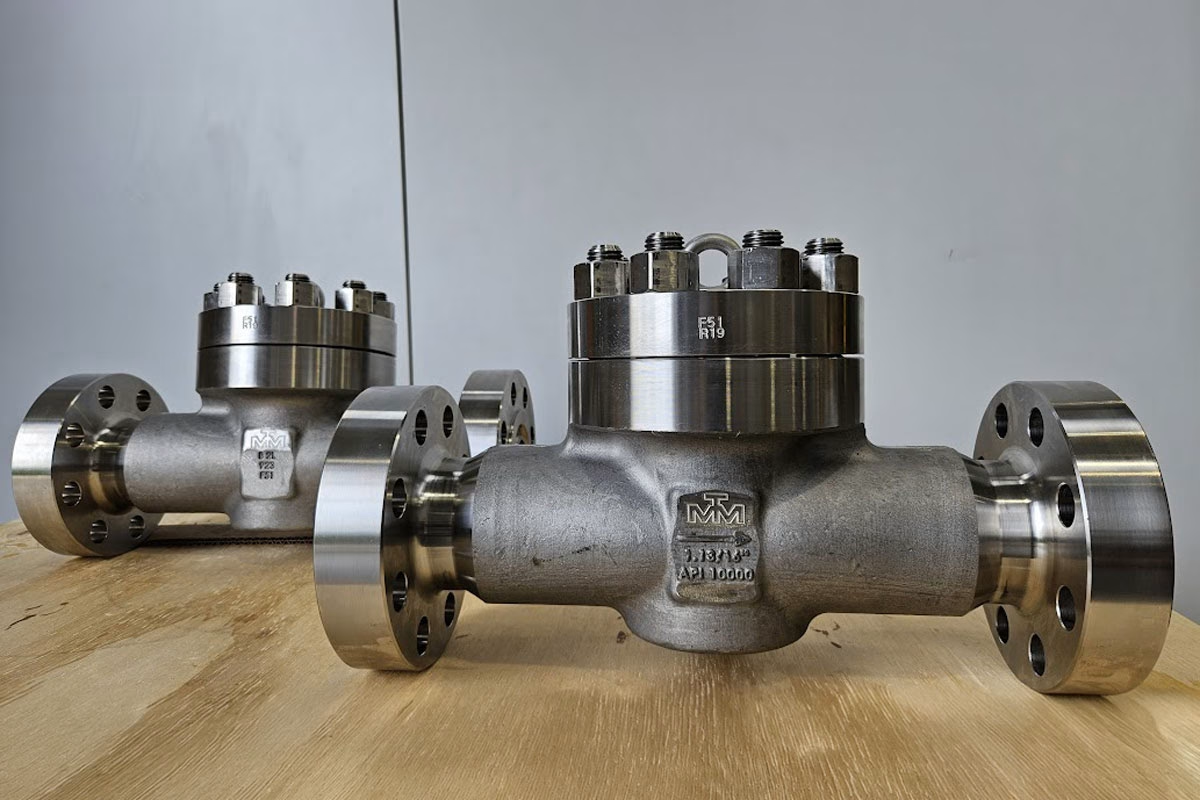
In ambito valvole, lo standard API 6A non è solo un riferimento normativo: definisce un perimetro tecnico che coinvolge progettazione, qualità, tracciabilità e collaudi.
MTM Valves works with the customer to define clear and verifiable API 6A requirements, following the entire process from request for proposal through inspection and final acceptance.
1. API 6A valves: what needs to be ‘under control’
In API 6A valves, it is essential to define the service conditions and compliance requirements from the outset. It is therefore necessary to indicate:
- operating conditions, including pressure, temperature and fluid type;
- dimensions, ratings, connections and configurations;
- quality requirements;
- any application constraints, such as site characteristics, corrosion or maintenance requirements.
These elements form the basis for correctly interpreting the requirements of API 6A valves and developing a consistent, comprehensive and reliable technical proposal.
2. API 6A SL:
Among the fundamental information is the QSL (Product Specification Level) API 6A, which establishes the necessary levels of control, traceability and verification. It is essential to clearly define the PSL together with:
- specific material requirements;
- inspection levels and non-destructive testing on critical components;
- any additional customer requests, such as witness inspection, hold points or third-party verification.
This ensures maximum transparency, ease of comparison between solutions and full compliance with the required quality standards.
3. API 6A testing: tests, criteria and reports
The testing section is often the most delicate aspect, as it translates technical requirements into objective and verifiable evidence. Tests according to API 6A are defined according to the PSL level and must be described in a clear and structured manner, specifying both the content of the tests and how they are to be performed.
It is advisable to explicitly define the required tests, such as pressure tests, seat tests and any additional checks, the relevant acceptance criteria and the applicable regulatory references. The test conditions and sequences must also be clarified, including pressure values, holding times and any intermediate steps.
Finally, it is necessary to specify the presence of witnesses from the customer or third parties and the management of the related hold points, as well as the format of the test reports and references to the instruments used and the available records.
4. API 6A documentation data book
A complete and structured API 6A documentation data book is provided to support review, audit and final acceptance activities. The documentation covers the entire supply cycle and ensures full product traceability and compliance with applicable requirements.
Upon request, structural verification calculations, including any FEA calculations, can also be made available to support design validation.
Contact us to share your specifications: MTM Valves can assist you in drafting a complete and verifiable API 6A RFQ, aligned with the project, testing and required documentation.